
SKILLS ARCHITECTURE
Build the Skills Architecture Behind a Skills-Based Organization
Skills Architecture isn’t a cookie‐cutter skills framework. It is unique to your business objectives and values, curated from market data, your job architecture, and insights from our People Scientists.
The result: a living, governed skills taxonomy that stays ahead of the market and powers every
talent decision downstream.
Trusted by Today’s Leading Skills-Based Organizations








Turn Skills Architecture Into Strategic Advantage
Fuel50 helps you build a company-specific skills architecture that reflects how work really gets done in your organization. Powered by people science and AI, it gives HR leaders a trusted foundation for internal mobility, workforce planning, and skills-based talent decisions at scale.



Define Skills That Fit Your Business
Go beyond generic skills libraries. Fuel50 helps you create a proficiency-rich skills architecture tailored to your roles, workforce, and strategy, so your skills data reflects your reality — not someone else’s model.


Bring Confidence to Every Talent Decision
When skills data is trusted, decisions get smarter. Fuel50 combines company-specific skills intelligence with explainable AI to help you align hiring, development, mobility, and workforce planning around a stronger skills foundation.


Turn Architecture Into Action
Most skills tools stop at structure. Fuel50 connects your skills architecture to internal talent marketplaces, career growth, and workforce transformation, so skills insight leads to movement, readiness, and measurable impact.
TALENT BLUEPRINT
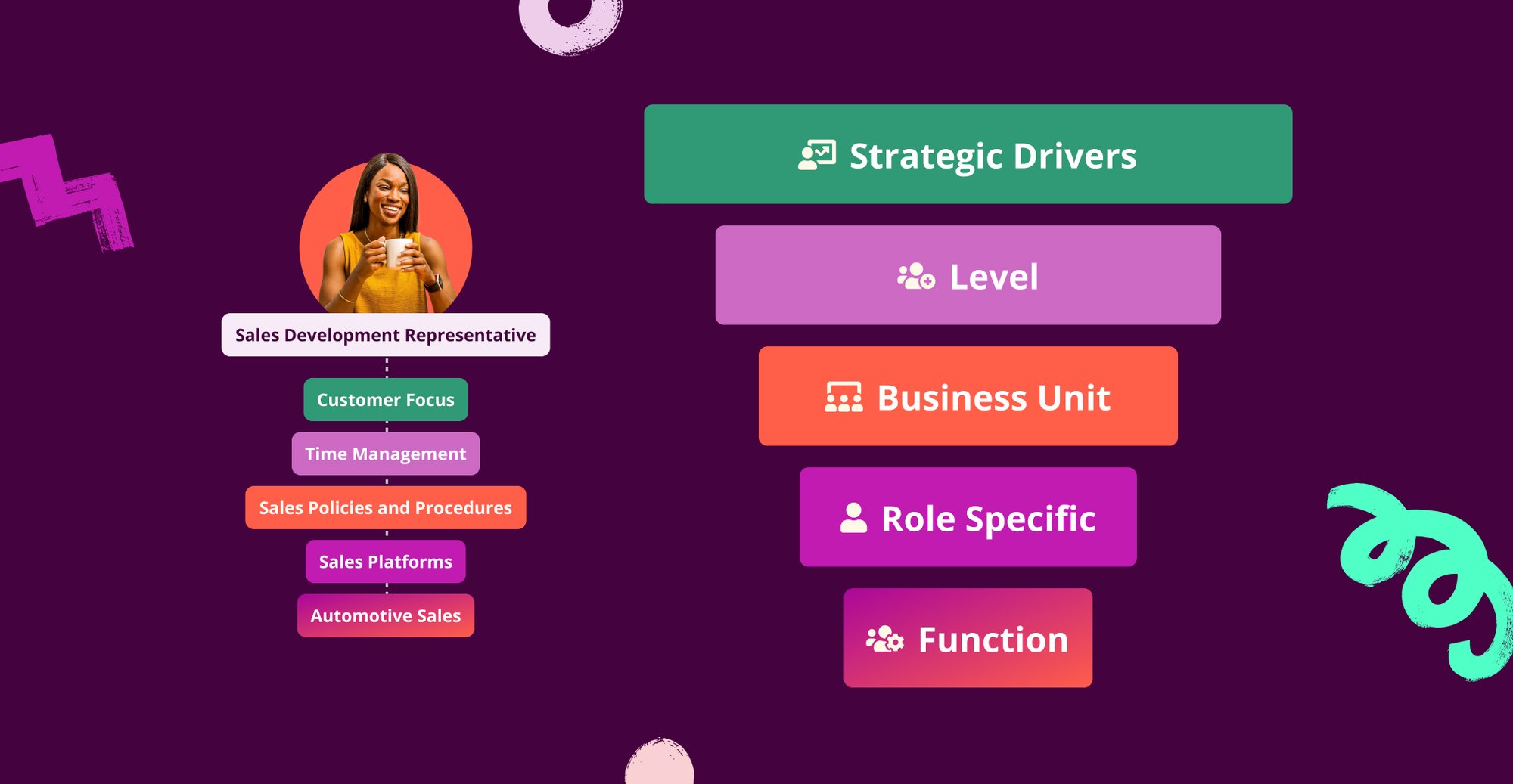
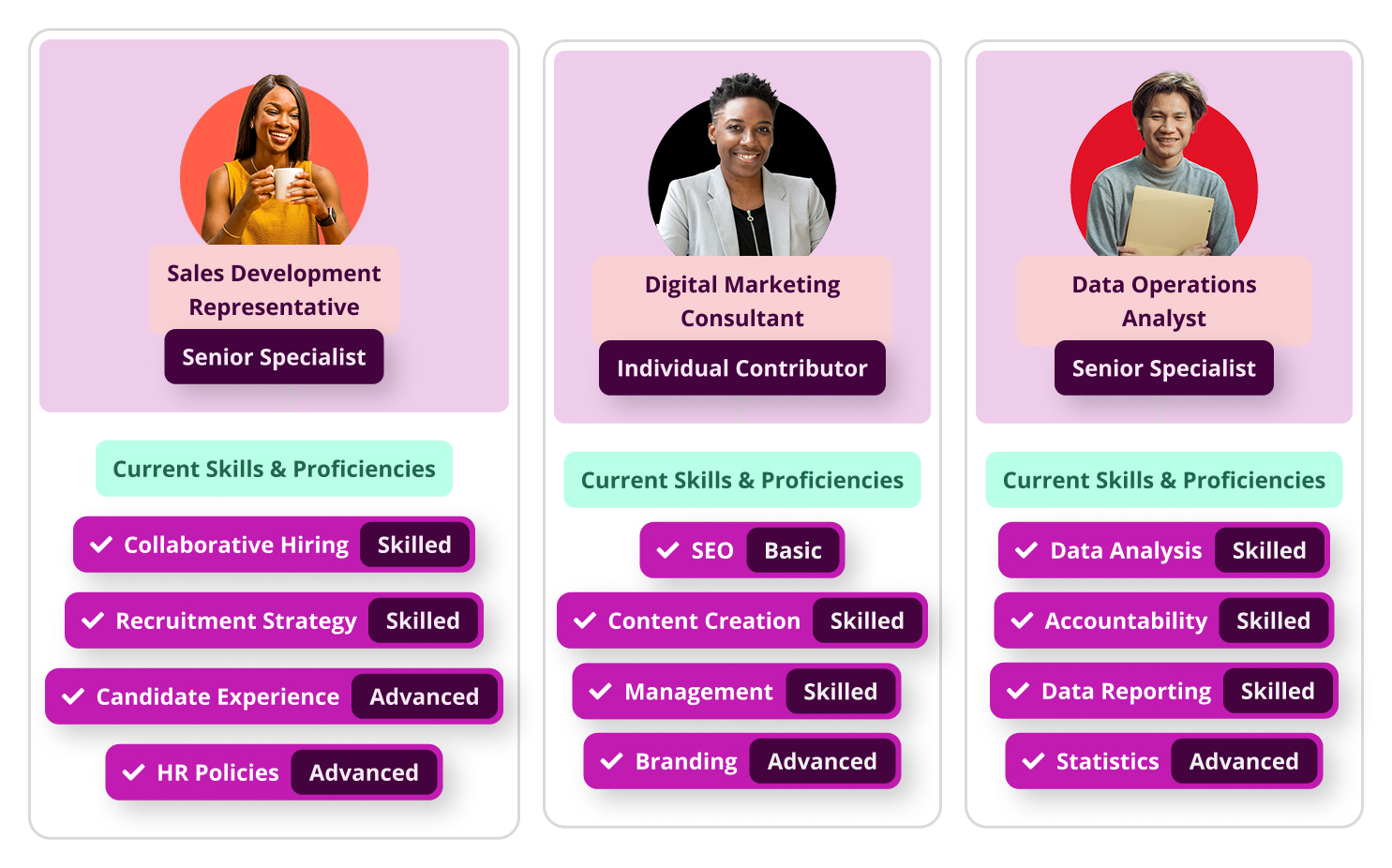
Accurately Identify the Skills and Proficiency Levels Required for Success Across Every Job Role
-
Leverages market data, your company’s job architecture, and insights from our People Scientists (I/O Psychologists), so your skills taxonomy reflects real‐world requirements, not recycled job descriptions.
- Lets administrators fine‐tune the framework at any time through the Talent Blueprint portal, adapting to changing market conditions and organizational needs without waiting on consultants or IT tickets.
ROLE EDITOR
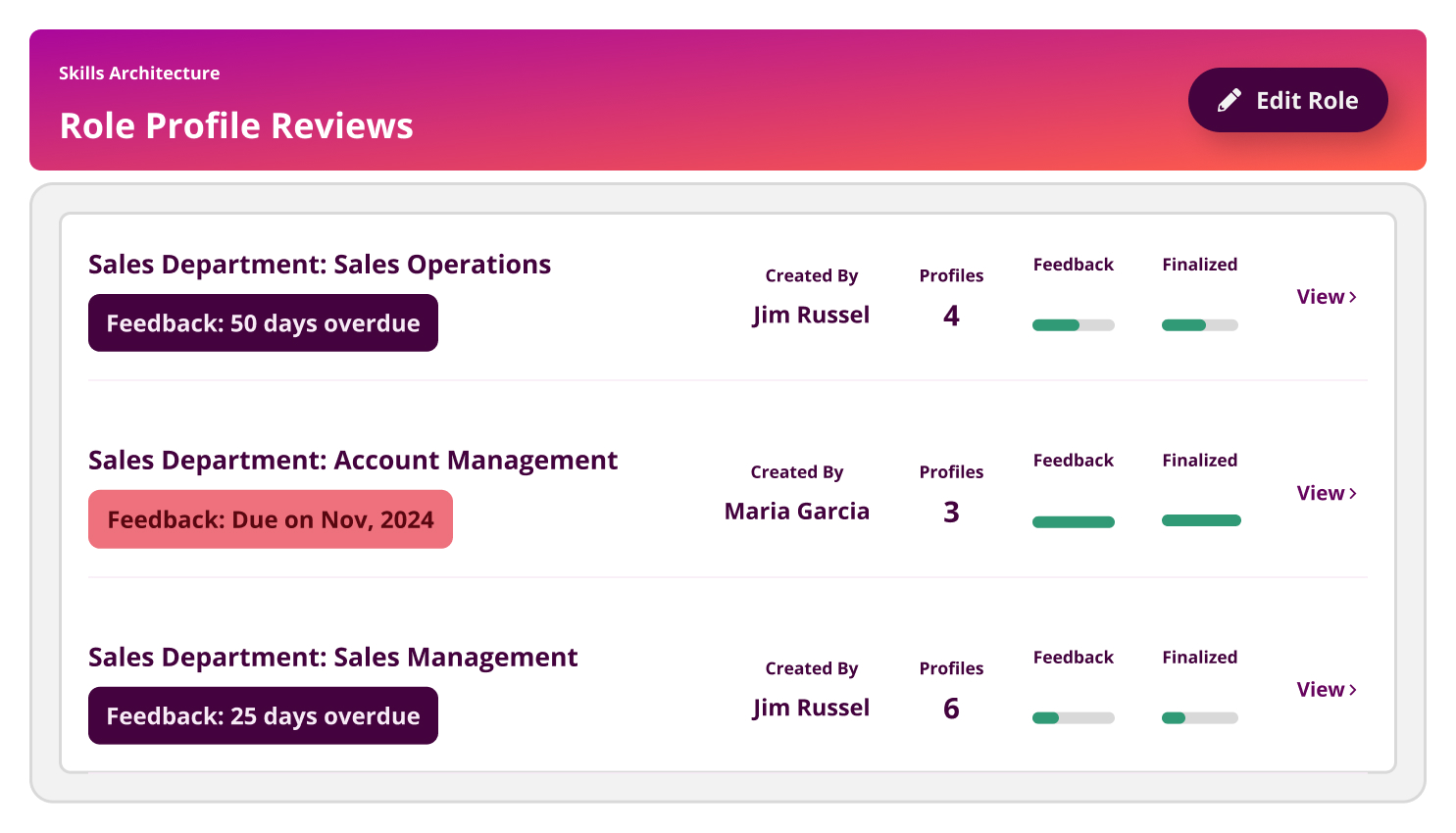
Gather Real‐Time Feedback on Your Skills‐Based Role Profiles from the People Who Know the
Work Best
-
Refines your skills architecture using input from subject matter experts across the business plus Fuel50’s AI‐generated skill suggestions, so your framework is shaped by both people science and frontline reality.
-
Keeps role profiles accurate and relevant over time, with every edit tracked, attributed, and audit‐ready. No stale profiles. No mystery updates.
SKILLS ONTOLOGY
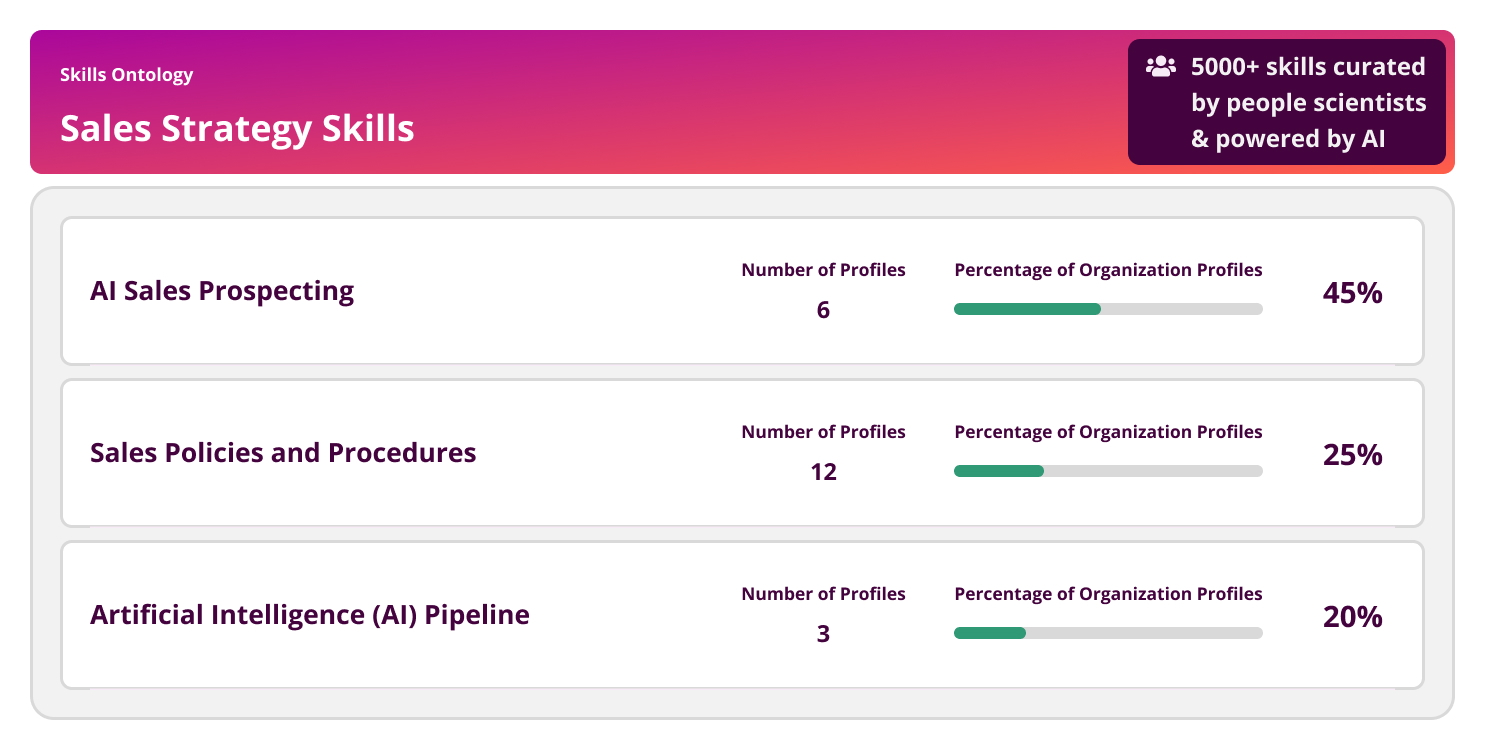
A Robust Library of 5,000+ Skills, Curated by Fuel50’s People Scientists, Built to Eliminate Duplicates, Quality Dilution, and Hidden Bias
-
Constantly updated based on labor‐market data signals and trends, so your skills ontology reflects what the market needs today, not what it needed
two years ago. -
Reviewed through a diversity, equity, inclusion, and belonging lens to minimize bias in skill definitions, proficiency levels, and development actions. This is responsible AI in practice, not a checkbox.
-
Multi‐dimensional, with detailed skill definitions, proficiency levels, and development actions that plug straight into career pathing, internal mobility, and skills‐based workforce planning.
DYNAMIC DATA
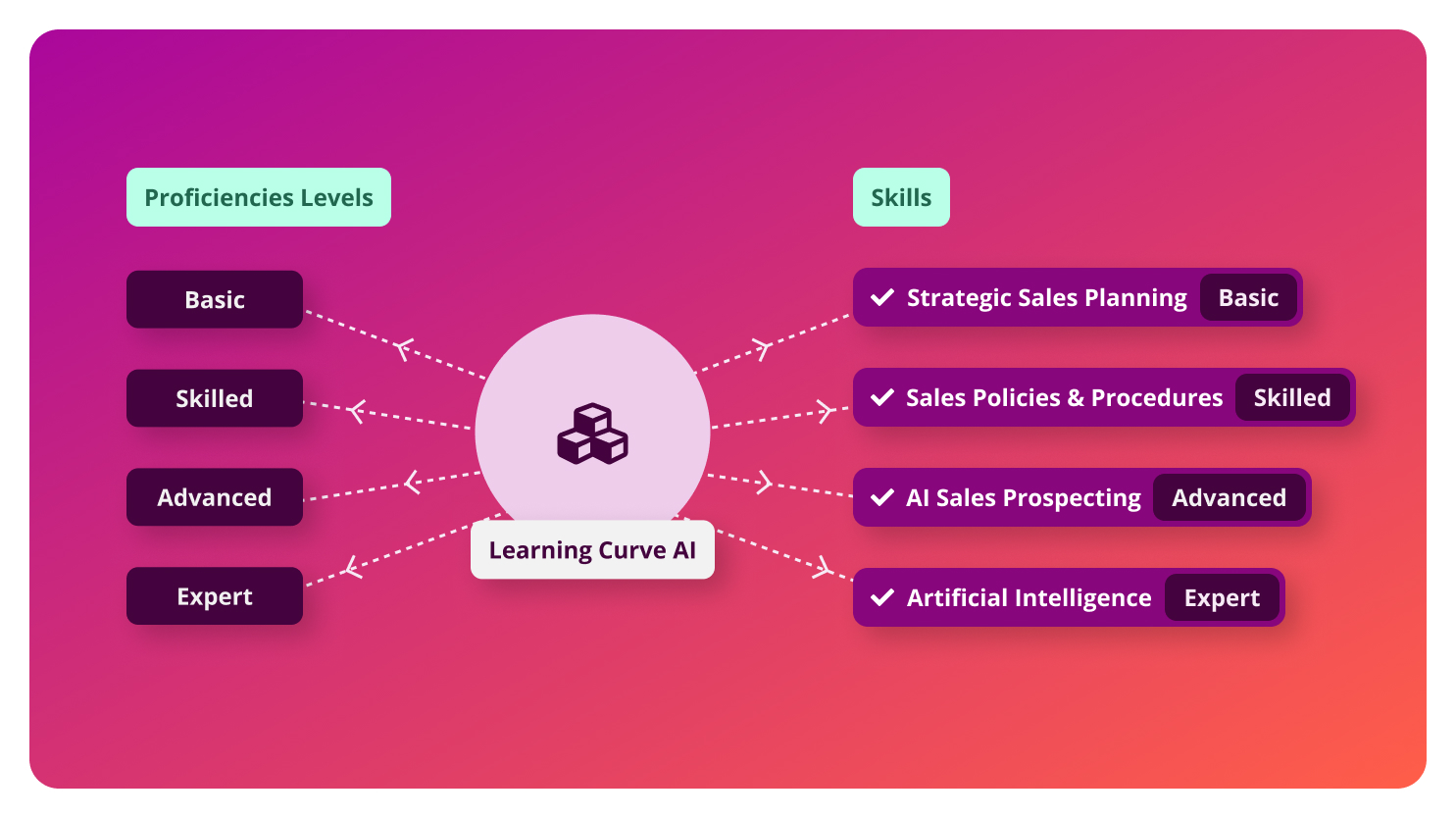
Automatically Apply Proficiency Levels to Every Skill with Fuel50’s Learning Curve AI™
-
Ensures a smooth, realistic learning curve from entry‐level to executive roles, so proficiency expectations are fair, defensible, and grounded in behavioral science, not arbitrary benchmarks.
-
Goes beyond a simple linear model and adapts to your organization’s structure, complexity, and career architecture. Your framework, your rules, powered by AI that can explain its logic.
Find Out What People Are Saying
Building a skills architecture that is accurate, scalable, and trusted across the business is hard, especially when the market keeps moving. Fuel50 makes it dynamic, defensible, and worth the investment.


As a result of Fuel50, we’ve built our skills architecture from scratch so there’s a clear journey and pathway at every stage and every job, and we can even create careers that simply didn’t exist before. The skills architecture in the back end of Fuel50 is easy to work with, so we can spin up new skills and roles fast, have AI map those skills to roles quickly, and stay far more agile.

Built to Work with Your
Tech Stack
Fuel50 integrates seamlessly with the HRIS, LMS, and clinical systems you already use, including Workday, SAP SuccessFactors, Oracle HCM, and Epic. We complement your core platforms without replacing them, so you go live fast with minimal disruption.
- Pre‐built connectors for Workday, SAP SuccessFactors, and Oracle HCM support secure data flows between your skills intelligence platform and core HR systems.
- API‐friendly architecture for custom integrations so IT and HRIS teams stay in control.
- SSO support for secure, seamless employee access.
- Real‐time data sync for skills, roles, and organizational structure, keeping your talent marketplace platform accurate and audit‐ready.






Success Stories
Fuel50 powers skills architecture and skills‐based transformation for global industry‐leading brands.






FAQs
What problems does Skills Architecture solve?

Skills Architecture replaces outdated, static job frameworks that cannot keep up with the pace of change. It gives you a dynamic, governed skills taxonomy that reflects real market conditions, your business priorities, and I/O‐psychologist expertise, so every role profile is accurate, defensible, and tied to your talent strategy.
How is Skills Architecture different from a standard job architecture or competency framework?
Traditional job architectures are static, title‐driven, and disconnected from skills data. Skills Architecture is dynamic, skills‐first, and continuously updated with market signals and AI‐generated recommendations, all validated by Fuel50’s People Scientists. It is the living framework your HRIS job catalogue was never designed to be.
How does AI work inside Skills Architecture?
Fuel50’s AI suggests skills for roles based on market data and your organizational context.
Learning Curve AI™ then applies proficiency levels that reflect realistic progression from entry to executive. Every recommendation is explainable, auditable, and reviewed through a DEI and belonging lens, with no black‐box outputs or hidden bias.
How does Skills Architecture support governance and compliance?
Every change to a role profile or skill assignment is tracked with contributor logs, approvals, and full audit trails. Role Editor brings subject matter experts into governed workflows, giving HR, compliance, and HRIT teams the transparency and accountability they need at enterprise scale.
How does Skills Architecture connect to the rest of Fuel50?
Skills Architecture is the backbone. The skills and proficiency data you define here powers everything downstream: Skills Inventory, career pathing, internal mobility, gigs, development, succession, and workforce planning. Accurate architecture in. Smarter matching, development, and decisions out.
What makes Fuel50’s Skills Ontology different from other skills libraries?
Fuel50’s ontology is curated by a dedicated team of People Scientists and Skills Strategists, not scraped from job posts or auto‐generated without review. It includes 5,000+ skills with detailed definitions, proficiency levels, and development actions, all reviewed for diversity, equity, inclusion, and belonging, and it is continuously updated with labour‐market data so it stays current without sacrificing quality.
How do we prove ROI from Skills Architecture?
A well‐governed skills architecture cuts time spent on manual role profiling, eliminates inconsistencies across business units, and accelerates every downstream talent process, from matching to mobility to succession. Fuel50 Insights connects architecture quality to workforce readiness, skill coverage, and internal mobility outcomes, giving the C‐suite proof that your skills foundation is driving decisions, not just sitting in a spreadsheet.


Transform Your Skills Architecture Today
Talk to an expert and see how Fuel50’s Skills Architecture gives you a dynamic, people‐science‐validated framework,
so every role, every skill, and every talent decision starts with data you can trust.